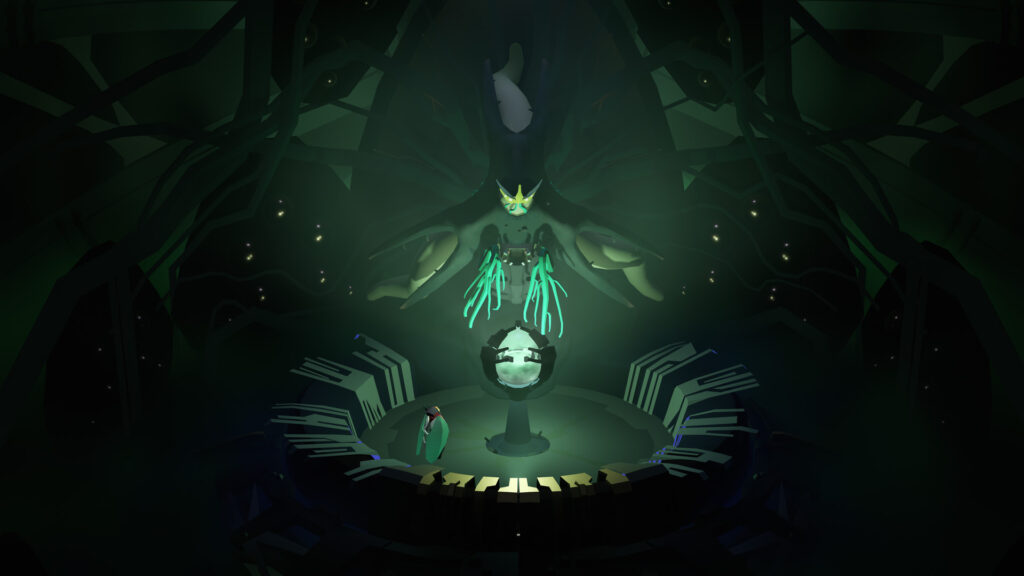
Cocoon (Geometric Interactive) is a puzzle platformer with some of the most satisfying and interesting puzzle mechanics I’ve ever seen. As a strange bug-like humanoid creature, the player is released from a cocoon and tasked with exploring and finding their way through alien worlds. The worlds are strangely biomechanical, making them feel unsettling and cohesive all at once, and the puzzles are fascinating and intuitive. In almost every instance, I could figure things out by bumbling around a bit, with the solutions being so satisfying I found myself getting emotional just through the sheer act of playing the game.
My only frustration came from the boss fights, since the gameplay felt disconnected from the beautiful wonder of the rest of the puzzles. Each boss fight just felt like an annoying obstacle holding me back from the delights of the rest of the game.
Over the last year, I played 28 full games, of which I finished 24. As with previous years, most of my gameplay has come from the lingering backlog of years past, with only a handful of games having been released in 2025.
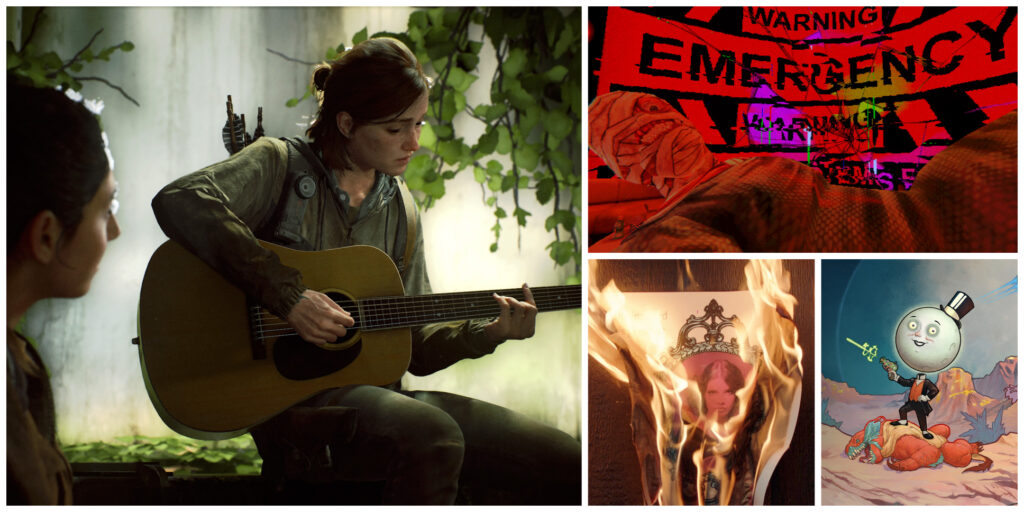
It’s been an interesting year of play for me. In many cases, the easy joy of play gave way to more complex experiences. Some left me emotionally wrought. Others featured gameplay that slipped into the frustrating, but nevertheless held me captive with their narrative.
Fortunately, some lighter fair was also included in the mix. There were games that delighted me with their puzzle design, offered unique narratives, or just granted me the simple joy of a fun experience — something I definitely needed by the end of this year.
Looks like I forgot to share October’s games, so here are both months at once. Whoops!
October
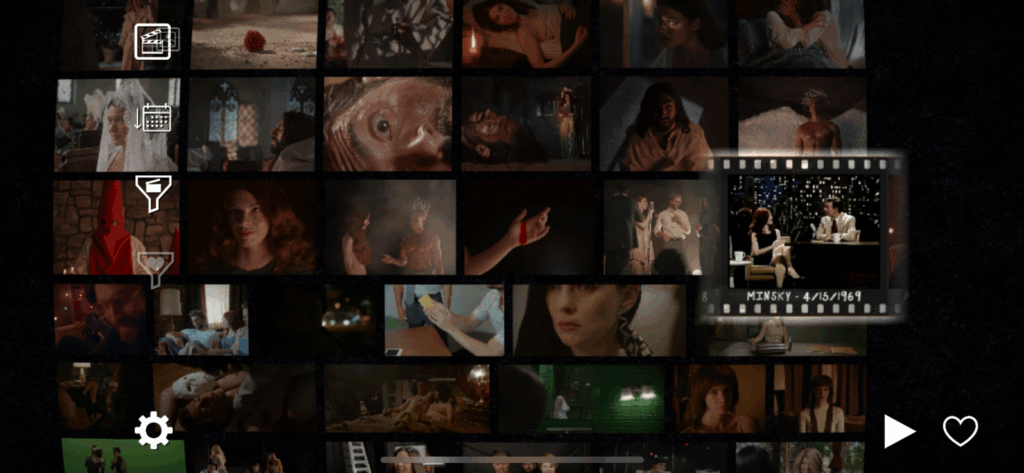
Selecting video clips in Immortality. | screenshot by me
I finished Immortality (Sam Barlow / Half Mermaid Productions), and it’s phenomenal. To learn how to play the game, the player really just has to dive in and discover how to play the game. The mechanics of pulling up videos, scrubbing them (playing, fast-forwarding, and rewinding), and then zooming in on objects or people in scenes allows for an impressive amount of discovery and exploration of this multi-layered and powerful narrative.
Marissa Marcel was an up-and-coming actor, who starred in three films — none of which ever aired. The game presents itself as a retrospective, allowing the the player to delve into clips from these films along with behind the scenes footage to discover her story. In the end, it’s so much deeper than the surface story, revealing a fascinating perspectives on how artists strive for a kind of immortality through their craft.
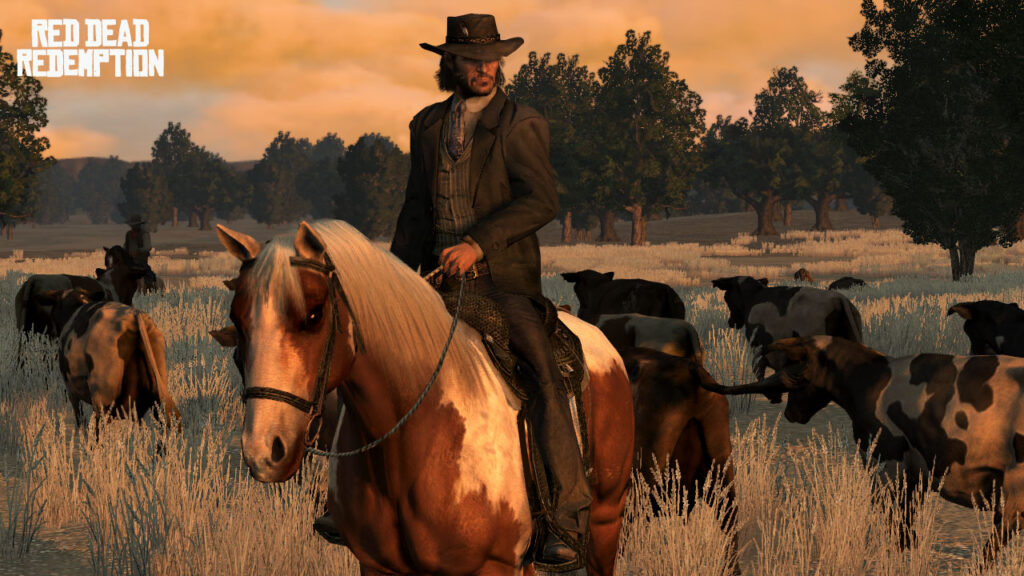
Every time you jump into a new game, you have to learn how to play it, not just the controls, but the rules of the world in which you are playing — and that has been especially true for me with Red Dead Redemption (Rockstar Games).
Because it’s an older game, the controls are a bit less smooth than I’ve become accustomed to, and that was mildly annoying at first, but I figured out the flow fairly quickly. And now I really love my horsie, who is a good boy and always there for me — and I enjoy most of the gun battles and can wade my way through a number of dudes without getting totally obliterated.
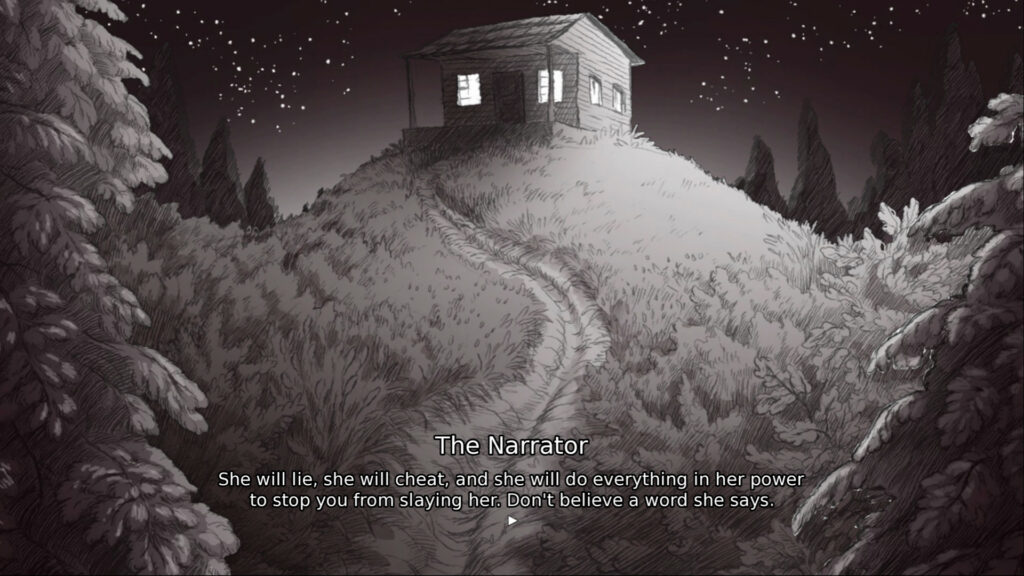
Slay the Princess (Black Tabby Games) is a visual novel about a hero that needs to slay the princess locked in a basement in order to prevent the world from ending. The dark fantasy/horror visual novel features a branching narrative with phenomenal voice acting from Jonathan Sims and Nichole Goodnight. As you play, there are options to slay the princess, attempt to save her, and occasionally to leave.
The way this story branches out, twists back in on itself, and expands into a stunning cosmic horror story is absolutely fantastic. There are so many surprising and interesting places this story goes. I’ve done a single play through so far, and I’m fully planning to play it through again to see more of the pathways. Apparently, an update is coming called the “Pristine Cut,” a free director’s cut with additional pathways and options, so I might wait for that.
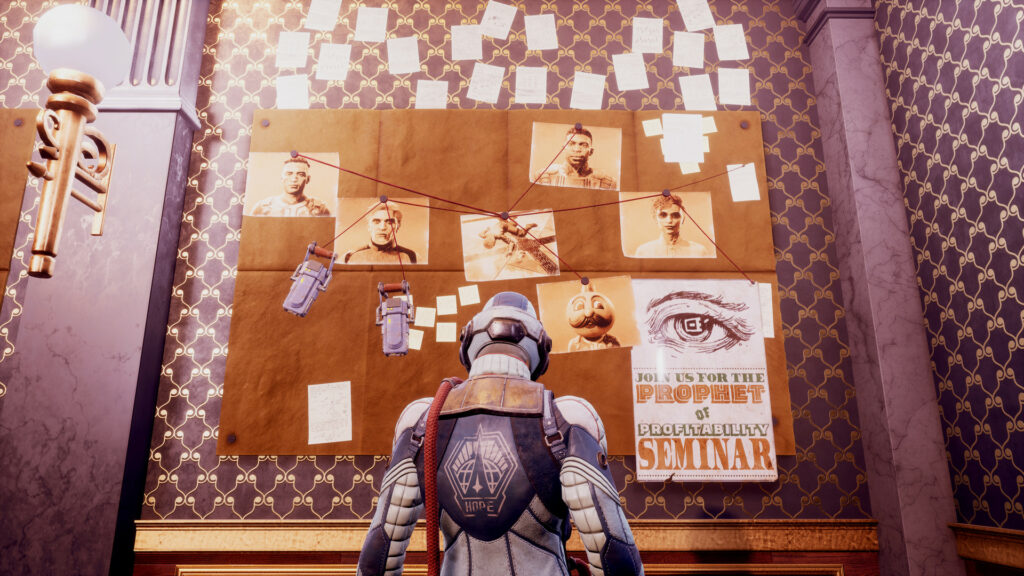
My progress towards finishing The Outer Worlds (Obsidian Entertainment) has slowed significantly since I started taking a game writing class several weeks ago. I meant to be done with the game by now, but here we are.
I did, however, complete the Murder on Eridanos DLC, in which the player is invited to the Eridanos resort to look into the murder of a famous film star. While investigating, the player discovers a greater mystery involving people seeming to be possessed by strange worms, which either make them uncomfortably happy or turns them frenzied.
The DLC is fun with a solid amount of area to explore and plenty of side quests. It was definitely worth playing.
If you’d also like to know about the books, movies, and TV that I enjoyed recently, you can check out my Culture Consumption for June: https://andrea-blythe.beehiiv.com/p/culture-consumption-june-2024.